How to keep your herbs alive in Florida's heat
If you have ever brought home a beautiful herb plant only to watch it wilt, yellow, or bolt within a few weeks — you are not alone. Florida summers are genuinely tough on herbs, and a lot of the advice out there was written for places that do not get 95 degree days in June. Here is what actually works for keeping herbs healthy in Gainesville's Zone 9 climate.
Know which herbs can handle the heat
The first thing to understand is that not all herbs are created equal when it comes to Florida summers. Some handle the heat well. Others simply do not, and no amount of careful watering will save them once temperatures climb past 90 degrees consistently.
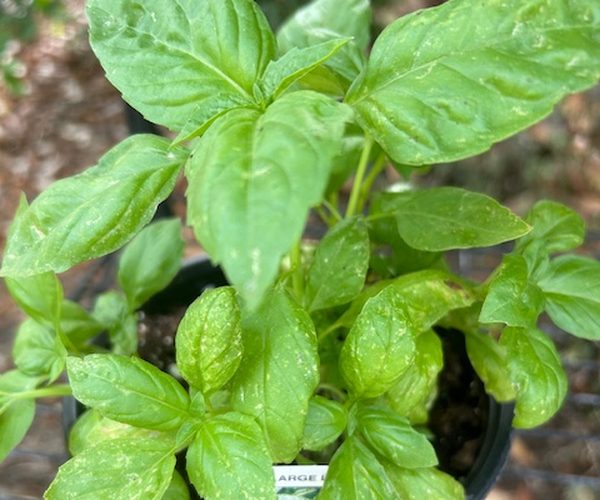
Heat-tolerant herbs that do well in summer: Basil (especially large-leaf varieties), oregano, rosemary, thyme, lemon balm, and chives. These are your summer workhorses.
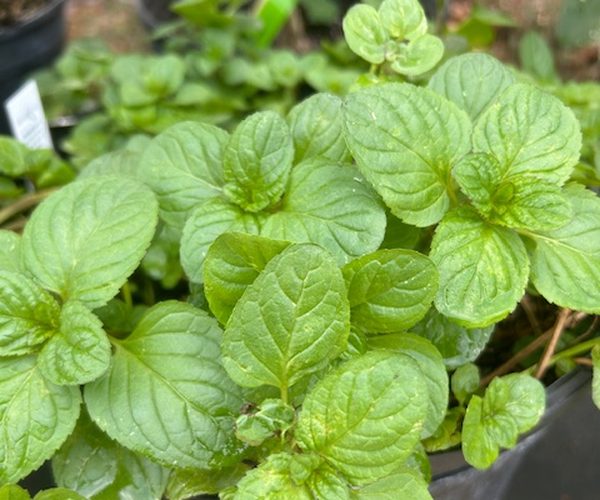
Herbs that struggle in peak summer heat: Cilantro, parsley, dill, and mint tend to bolt or fade quickly once it gets hot. These are better grown in our fall and winter season — which, good news, is actually our best growing season here in North Florida.
Quick tip: If your cilantro is shooting up a tall stalk and flowering, that is bolting — it is reacting to the heat. Pull it out, compost it, and replant in September when things cool down.
Water deeply but not too often
One of the most common mistakes with herbs in Florida is overwatering. It feels counterintuitive in the heat, but most herbs actually prefer to dry out slightly between waterings. Constantly wet soil leads to root rot, which kills plants just as fast as drought does.
A good rule of thumb: water deeply every 2 to 3 days during summer, letting the top inch of soil dry out between waterings. If you are growing in pots, check the soil with your finger before watering — if it still feels damp an inch down, wait another day.
Give them afternoon shade
Most herbs are labeled as "full sun" plants, but in Gainesville that label was written for somewhere with milder summers. During July and August, direct afternoon sun can actually scorch herb leaves and stress the plant. If you can position your herbs where they get morning sun and some shade from around 2pm onward, they will be noticeably happier.
Harvest regularly to keep plants productive
Regular harvesting is one of the best things you can do for your herbs. Cutting back the tips encourages the plant to grow bushy and full instead of tall and leggy. For basil especially, pinch off any flower buds as soon as you see them — once basil flowers, the leaves lose flavor and the plant starts to decline.
Remember: Never cut more than one third of the plant at a time. Give it a few days to recover before harvesting again.
Growing herbs in Florida takes a little know-how, but once you understand the rhythm of our seasons you will have fresh herbs on your table most of the year. Stop by the nursery and we are always happy to point you toward what is thriving right now. 🌿